
Virtual Reality Casinos: The Future of Immersive Online Gambling Experiences Awaits

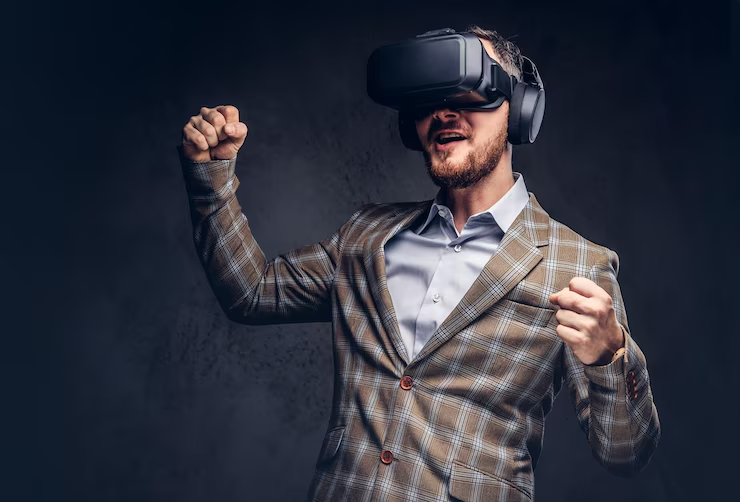
The world of online gambling is evolving, and virtual reality (VR) is leading the charge. No longer confined to flat screens and static interfaces, VR casinos are transforming how players interact with their favorite games. They offer a fully immersive experience, blending the thrill of a real casino with the convenience of playing from home.
Imagine stepping into a lifelike casino, walking past slot machines, sitting at a poker table, and chatting with other players—all without leaving your living room. Platforms like Foxygold casino are bringing this vision to life through cutting-edge VR technology, setting a new standard for online gambling. With realistic graphics and interactive features, these virtual spaces are redefining entertainment and engagement in the digital era.
As the technology continues to advance, VR casinos are set to revolutionize the industry. They’re not just a trend; they’re the future of online gaming, offering players an unparalleled blend of excitement and innovation.
What Are Virtual Reality Casinos?
Virtual reality casinos are online platforms that transport players to digital casino environments using VR technology. Players can explore realistic surroundings, interact with others, and play classic games like poker, blackjack, or slot machines in lifelike virtual settings.
An Overview Of Virtual Reality Technology
Virtual reality technology combines hardware and software to create simulated environments. Using devices such as VR headsets and controllers, users experience an immersive, 3D world where they can move, interact, and engage as though they’re in a physical space. This technology enables realistic visuals, spatial audio, and hand tracking for seamless interaction.
How VR Is Revolutionizing Online Gambling
VR is changing the online gambling landscape by delivering unparalleled immersion. Players can interact with dealers and fellow gamblers in real-time, enhancing the social aspect of gaming. Advanced features like customizable avatars, lifelike environments, and haptic feedback make the experience engaging and authentic.
| Feature | Traditional Online Casinos | Virtual Reality Casinos |
|---|---|---|
| Interaction | Click-based, limited chats | Real-time, immersive chats |
| Environment | 2D graphics | Immersive 3D worlds |
| Social Engagement | Minimal | High with avatars and dealers |
| Technology Needed | PC or mobile device | VR headset, controllers |
For more on the role of VR in online gaming, visit TechRepublic.
Features Of Virtual Reality Casinos
Virtual reality casinos are reshaping online gambling by offering unique features that replicate and enhance the traditional casino experience. Their advanced technology delivers unprecedented immersion, realism, and interactivity.
Immersive Gameplay Environments
VR casinos recreate physical casino settings through detailed, interactive spaces. Players navigate virtual floors, approach slot machines, and join poker tables, mimicking real-world movements and actions. Motion tracking and haptic feedback further elevate the experience, enabling realistic engagements like handling chips or dealing cards. 3D sound effects simulate authentic casino atmosphere, adding depth to gameplay. For instance, 3D roulette tables allow real-time interaction with game elements, making every session lifelike.
Social Interaction And Multiplayer Options
Social connectivity is a standout feature of VR casinos, bridging the gap between online and physical gambling experiences. Multiplayer environments enable players to interact in real-time, fostering authentic social dynamics. Customizable avatars provide visual personalization, while voice chat integration allows natural, flowing conversation among participants. These interactive options mimic the camaraderie of physical casino visits, creating virtual communities. Gamblers can engage with live dealers and others, enhancing realism and reducing the isolation typical of standard online platforms.
Realistic Casino Games
VR casinos offer highly interactive versions of classic games, emulating the physical casino experience. Slots, poker, blackjack, and roulette games are augmented with VR-specific features. Players can physically spin roulette wheels or deal cards, adding tactile engagement. Live dealers at 3D tables enable human interaction, transforming virtual games into dynamic, social experiences. Cutting-edge graphics and lifelike game mechanics ensure authentic recreation of traditional gaming environments. The integration of such elements redefines online gambling, providing options previously unavailable to players.
| Feature | Description | Example |
|---|---|---|
| 3D Gameplay Environments | Fully immersive spaces with lifelike visuals and sound design | Walking through VR casinos |
| Social Interaction | Real-time communication through voice chat and customizable avatars | Conversing with dealers/users |
| Realistic Casino Games | Interactive gaming mechanisms allowing tactile interactions like handling chips or spinning wheels | Playing blackjack in VR |
Further research or insights about VR technology in gaming can be accessed through TechRepublic.
Benefits Of Virtual Reality Casinos
Virtual reality casinos are reshaping online gambling by delivering highly immersive environments and unique features that set them apart from traditional platforms. The combination of cutting-edge technology, interactive experiences, and accessibility makes them a compelling choice for modern players.
Enhanced User Experience
VR casinos create realistic and engaging environments with 3D graphics and lifelike sound effects. These features replicate the atmosphere of physical casinos, making the gameplay more thrilling. Players can use avatars to communicate with others, fostering a social and interactive setting. Virtual tournaments and live dealer games amplify user engagement, offering a dynamic alternative to standard online gambling.
Improved Security And Transparency
VR casinos operate on advanced technology that incorporates robust data protection measures and ensures fair play. The real-time interaction within games enhances transparency, allowing users to observe and engage with every element directly. This interactive design builds player trust and showcases the fairness of the platform, but detailed specifics on security protocols are limited.
Limitless Accessibility
With just a VR headset and compatible platform, users can enter virtual casinos from anywhere. This accessibility brings the full casino experience into the home, making it ideal for those living far from physical locations or with restricted mobility. The technology eliminates travel-related barriers, offering convenience without sacrificing the quality of the experience.
Key Features Of VR Casinos
| Feature | Benefit | Example |
|---|---|---|
| 3D Environments | Immersive atmosphere similar to physical casinos | Virtual poker or blackjack |
| Avatar Interaction | Social engagement through virtual representations | Player-to-player communication |
| Real-Time Transparency | Builds trust through visible, interactive gameplay | Observing live dealer actions |
| Accessibility | Casino experience at home | Using VR headset for access |
For more details on VR technology’s role in online gaming, visit TechRepublic.
Challenges And Limitations
Virtual reality casinos are transforming the gaming industry, but several challenges hinder their widespread adoption. Addressing these issues is essential for the growth and acceptance of VR gambling platforms.
High Cost Of VR Equipment
The steep price of high-quality VR gear is a major barrier. Top-tier VR headsets like the Meta Quest Pro and HTC Vive Pro cost between $1,000 and $1,400. Also, gamers need compatible hardware, often requiring PCs with advanced specs, which adds to the overall expense. This cost restricts access to a niche audience able to afford the setup.
Limited Adoption And Accessibility
Availability and affordability of VR technology are significant roadblocks. Unlike traditional gaming consoles or PCs, VR hardware isn’t as widespread or accessible. Limited adoption means comparatively fewer users can explore VR casinos. Markets in rural regions or developing nations are particularly affected due to income disparities and regional retail limitations.
Technical Issues And Connectivity Requirements
Smooth VR casino experiences demand robust hardware and stable connectivity. Lag, interruptions, or low-speed internet can detract from the immersive experience, leaving users frustrated. Some geographic areas with weak internet infrastructure struggle to meet the high bandwidth demands VR systems require, further excluding potential users.
| Challenge | Impact on VR Casinos | Major Barrier |
|---|---|---|
| High Cost of Equipment | Limits affordability for average consumers | Expensive headsets and PCs |
| Limited Accessibility | Reduces adoption in low-income regions | Lack of devices and affordability |
| Connectivity Issues | Impairs seamless gaming experiences | Poor internet in underserved areas |
For additional insights on VR industry advancements, visit TechCrunch.
The Future Of Virtual Reality Casinos
Virtual reality casinos represent a major shift in online gambling, offering lifelike gaming environments and reimagined casino interactions. Cutting-edge technology drives these platforms, enthralling players through immersive designs and advanced features. Key developments in VR technology, expansive game libraries, and industry impacts highlight their future.
Advancements In VR Technology
VR technology evolution focuses on improving accessibility and functionality. Affordable VR devices like Meta Quest 3 and advancements in hardware provide wider access, attracting new users. Connectivity developments, such as faster 5G networks, enable smoother gameplay and real-time interactions. These improvements help VR casinos reach a broader demographic by reducing entry barriers.
Expanding Game Libraries
VR casinos extend beyond typical games like poker and slots. Innovative features include new gaming genres, live VR concerts, and interactive spaces. Platforms diversify offerings to create robust virtual resorts, merging entertainment with gambling. Tools like AI enhance game design, ensuring tailored experiences that engage every type of player.
Impact On The Gambling Industry
Virtual reality casinos redefine online gambling by elevating user engagement and retention. Immersive play encourages frequent participation, while lifelike environments rival physical venues. Regulatory issues and technical challenges remain, but addressing these strengthens trust and adoption. These platforms symbolize the intersection of technology and entertainment.
| Key VR Casino Features | Advantages |
|---|---|
| Immersive 3D Environments | Realistic casino experience |
| Multiplayer Social Interactions | Real-time engagement with players and dealers |
| Blockchain Integration | Enhanced security and transparency |
| Expanding Game Offerings | Diverse entertainment beyond gambling |
For additional insights, refer to TechRepublic.
Conclusion
Virtual reality casinos are paving the way for a new era in online gambling, offering immersive and interactive experiences that were once unimaginable. As VR technology continues to evolve, these platforms are becoming more accessible, engaging, and innovative, attracting a wider audience.
While challenges like equipment costs and technical limitations remain, advancements in affordable VR devices and improved connectivity are gradually addressing these barriers. With their potential to redefine entertainment and social interaction in gaming, VR casinos are set to transform the industry and captivate players worldwide.