
Lithium-ion Battery vs Lithium-polymer Battery-Which is Better?

When we go shopping for our much-awaited gadgets, we always check on the battery capacity whether it has a great battery life or not. We’ve always considered that the larger the battery capacity, the better and longer the battery life. But that’s not always true and it depends on a lot of other factors as well.
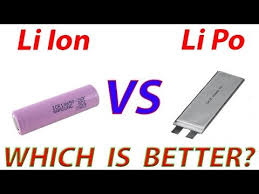
Right now, there are two main types of batteries available on the market. One is Li-ion batteries, which have long been a part of our smartphones and other portable devices. Lithium Polymer batteries, on the other hand, are now found in most current electronics and most of the new flagship models.We are always confused whether to go with a lithium-ion or a lithium-polymer battery.In this blog, we’re going to review about the differences between Li-ion and Li-polymer battery.
What is a Lithium-ion Battery?
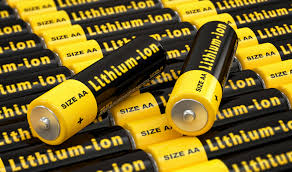
A lithium-ion battery, often known as a Li-ion battery, is a rechargeable battery made up of cells in which lithium ions travel from the negative electrode to the positive electrode through an electrolyte during discharge and then back again during charging.
ADVANTAGES
- High power density
- Easy maintenance
- Continuous voltage
- Variety of models available
- Higher Battery Life
- Smaller and Lighter
- Low self Discharge
- No Priming
- Available at different price
- Reduced energy use
DISADVANTAGES
- High cost
- Protection Required
- Aging
- Immature technology
- Safety Concern
What is a Lithium Polymer Battery?
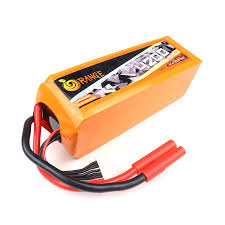
A lithium polymer battery, or more precisely a lithium-ion polymer battery (abbreviated as LiPo, LIP, Li-poly, lithium-poly, and others), is a lithium-ion rechargeable battery using a polymer electrolyte rather than a liquid electrolyte. They’re also lightweight, have a low profile, and have a lower risk of electrolyte leakage. However, Li-Po batteries aren’t perfect because they’re more expensive to make and don’t have the same energy density or lifespan as lithium-ion batteries.
Advantages:
- Safety performance is good
- More thin thickness, and can do more thin
- Light-weight
- Big capacity
- Small internal impedance
- Shape can be customized
- Better discharge characteristic
Disadvantages
- Compared with lithium ion battery energy density and cycle number are falling
- Cost higher
- There is no standard shape, most battery manufacturing for high volume consumer market
- Compared with lithium ion batteries, price and energy is higher
Lithium-ion Battery vs Lithium-polymer Battery
.
| Parameters | Li-ion battery | Li-polymer battery |
| Usable voltage range | from 3V to 4.2V | From 3V to 4.2V |
| Energy Density | High energy density | Low and decreased cycle count compared to Li-ion |
| Flexibility | Low | High |
| Safety/Explosive risk | More volatile as compared to Li-Po | More safety. Less chances to explosion |
| Weight | Relatively heavier | Light weight |
| Charging Duration | Relatively longer charge | Shorter charge |
| Cost | Cheaper | Slightly expensive |
| Capacity | Relatively lower | same volume Li-Po batteries, capacity is around 2 times of Li-ion battery |
| LifeSpan | Long | Long |
| Aging | Loses actual charging capacity over time | Retains charging capacity better than Li-ion |
| Temperature range usage | -20 to 60º C | -20 to 70º C |
| Charge temperature | 0 to 40º C | 0 to 40º C |
| Storage temperature | -20 to 35º C | -20 to 35º C |
| Impedance | <100 mΩ | <50 mΩ |
| Applications | Used in power backups/UPS, Mobile, Laptops, and other commonly used consumer electronic goods. Also used in Electric mobility and Energy Storage Systems | Mostly used in radio controller equipment and aircrafts,Mobile, laptops and other commonly used electronic products. Also, used in Electrical vehicles. |
Hope, this blog helps you to understand the actual difference between Lithium-ion and Lithium- Polymer batteries. We will be back with more informative blogs soon.