Thermostat Sensor 80D

Thermostat Sensor 75D
Thermostat Sensor 60D
Thermostat Sensor 55D
Thermostat Sensor 50D
Thermostat Sensor 45D
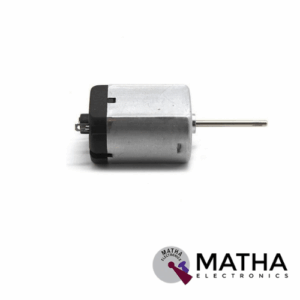
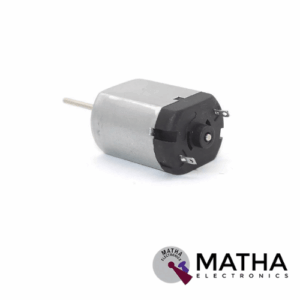
Toy Motor Long Shaft
- DC 12V
- 13000 rpm motor
- long shaft high speed motor
- Suitable for toy car and other toys.
- Good heat dissipation with cooling fan
- Voltage: 12V.
- No Load Current: 0.9A
- No Load Rotate Speed: 13000r/ min. Shaft Length: 20mm/ 0.79in
- Shaft Diameter: 3mm/ 0.12in. Size: 92mm x 37mm x 37mm/ 3.62in x 1.46in x 1.46in. Net Weight: 230g/ 8.11oz. Color: Silver


BO Motor Double Shaft 200 RPM
- Shaft length: 7 mm Motor Design: Straight Dual Shaft
- Shaft Diameter: 5.5 mm
- Size: 55 x 48 x 23 mm.
- Operating Voltage: 3 to 12V.
- Current (without loading): 40-180mA.
- RPM: 200 rpm.
- Output Torque: 0.35 kg cm.
- Cost-effectiveness of the injection-molding process.
- Elimination of machining operations.
- Low density: lightweight, low inertia.
- Uniformity of parts.
- Capability to absorb shock and vibration as a result of elastic compliance.
- Ability to operate with minimum or no lubrication, due to inherent lubricity.
- The relatively low coefficient of friction.
- Corrosion-resistance; elimination of plating, or protective coatings.
- The quietness of operation.
- Tolerances are often less critical than for metal gears, due in part to their greater resilience.
- Consistency with the trend to greater use of plastic housings and other components.
Bo Motor Double Shaft 150RPM
- RPM: 150
- Operating Voltage : 3V - 9V
- Gear materials: plastic.
- Motor types: permanent-magnet.
- Brush-type: Brush.
- Uncommitted motors: Homopolar motors.
- Magnet types: ferrite magnets.
- Torque: Approximate 2.5Kg/cm.
- Low density: lightweight, low inertia.
- Capability to absorb shock and vibration as a result of elastic compliance.
- Ability to operate with minimum or no lubrication, due to inherent lubricity.
- Relatively low coefficient of friction.
- Corrosion-resistance; elimination of plating, or protective coatings.
- Quietness of operation.
- Tolerances often less critical than for metal gears, due in part to their greater resilience.
- Consistency with trend to greater use of plastic housings and other components.